Athletics, Student-Life
From Surviving to Thriving: My Conversation with Steve About RISE UP
November 02, 2026
As a student-athlete who plays basketball, I already had a connection with Steve, the Athletic Chaplain at Concordia University. Because of that relationship, I had the opportunity to sit down with him and learn more about the RISE UP program student athlete development program and how it is designed to help student-athletes both during college and after their athletic careers are over.
As athletes, it can be easy to focus only on the next practice, the next game, or the next assignment. However, Steve helped me understand that being a student-athlete is about much more than what happens on the court. RISE UP is designed to help athletes develop as people and prepare for life beyond sports.
The Goal: From Surviving to Thriving
When I asked Steve what the main goal of RISE UP was, he explained that it is first and foremost a student-athlete development program.
Student-athletes have a lot to manage. We have academics, practices, workouts, games, travel, relationships, and responsibilities outside of sports. Steve pointed out that while sports can be a huge part of our lives, athletic careers eventually come to an end for most athletes.
He explained that RISE UP is meant to help student-athletes fully thrive in their roles while they are in college while also preparing them for what comes after graduation.
One phrase Steve shared really stood out to me:
“To move the student-athlete from surviving to thriving.”
I think this is important because athletes can sometimes get so focused on making it through the season that we forget to think about who we are becoming. RISE UP encourages athletes to develop skills that will continue to matter long after their playing careers are finished.
Balancing Sports, School, and Life
Another thing I wanted to understand was how RISE UP helps athletes balance everything that comes with being a student-athlete.
Steve explained that the program is built around six different pillars that focus on different areas of development.
One pillar focuses on faith and spiritual development. The goal is to help athletes develop physically, mentally, emotionally, and spiritually. Students have opportunities to explore the Christian faith through faith classes, leadership classes, fellowship, and Tornado Christian Athletes (TCA).
Steve also explained his role as an athletic chaplain. Instead of only working directly with athletes, he spends a lot of time coaching the coaches. Coaches have a major influence on athletes, so Steve works with them to help incorporate faith and positive values into the culture of their teams. He wants these ideas to show up throughout all 15 teams at Concordia in different ways.
Another pillar focuses on career development. This part of the program helps athletes figure out what they want to do after graduation, explore career interests, find opportunities, network, and build relationships.
There is also a focus on sports performance, including understanding the psychology behind competition, pressure, and stress.
Another important area is servant leadership. Steve explained that leadership is not just about being the loudest person or having a title. It is about learning how to lead with a servant's heart and helping others.
RISE UP also works to connect student-athletes with resources around campus, including the wellness center, speaking center, and writing center. The goal is to make sure athletes know where they can go when they need help.
Ready to grow as a student and an athlete?
Apply to Concordia University Texas and take your next step toward a community that supports your goals on and off the field.
Apply TodayBecoming Better Leaders
I also asked Steve how RISE UP helps athletes become better leaders on their teams.
He explained that the program includes approximately 15 short messages throughout the year, with interactive sessions and speakers who are invited by coaches to talk about important topics.
Five major topics include identity, relationships, anxiety, integrity, and accountability.
The first is identity. Athletes can sometimes allow their sport to become their entire identity. RISE UP encourages students to understand who they are beyond their sport.
The second is relationships. Steve explained that a team can have a lot of talent and still struggle if the relationships between teammates are not strong. A team might look great on paper, but without trust and good relationships, it can be difficult to succeed.
The third topic is anxiety, especially performance anxiety. Athletes deal with pressure before and during competition, so learning how to manage those feelings is an important part of becoming a better competitor and person.
The fourth is integrity. Steve described this as understanding what it means to be a person of your word and doing what you say you are going to do.
Finally, there is accountability. Steve believes that everyone does better when they have people who help them stay accountable. On a team, teammates can challenge each other to make better choices and hold one another responsible.
A Part of the Program Athletes May Not Use Enough
When I asked Steve what part of RISE UP student-athletes may not take advantage of enough, his answer was career planning.
Steve shared a personal experience from his own college years. He remembered that it was not until the spring semester of his junior year that he really started thinking about how quickly college was coming to an end.
That made me think about how easy it is for athletes to put off thinking about life after sports. When you are constantly focused on practices, games, classes, and training, it can feel like there is always plenty of time.
Steve explained that athletes should start networking, asking questions, learning about different careers, and building relationships with people in fields they are interested in.
This stood out to me because I know how easy it can be to get caught up in competing. RISE UP can help student-athletes make time for something that might not feel urgent now but can become extremely important after graduation.
The Biggest Challenge: Living in the Digital Era
One of Steve's biggest concerns for student-athletes today is something that affects almost everyone: living in the digital era.
We have constant access to information through our phones and the internet. However, Steve made an important distinction:
“Being knowledgeable is not the same thing as being wise.”
Having information does not automatically mean that we know how to use it correctly. Steve explained that knowledge can become wisdom through experience.
One of the biggest lessons I took from our conversation was another phrase Steve shared:
“Be where your feet are in the present moment.”
As athletes, we are always thinking about what comes next. We think about the next game, the next practice, the next assignment, or the next season. But sometimes that can cause us to miss the people and opportunities directly in front of us.
Steve believes that building real relationships is an important opportunity that student-athletes can miss. In a world where so much communication happens digitally, actually talking to people, listening, and building relationships can help us grow both as athletes and as people.
The Most Important Life Skill
Finally, I asked Steve what the biggest life skill he wants students to develop through RISE UP is.
His answer was simple but powerful: managing your thought life and asking for help.
For student-athletes, learning how to manage our thoughts can affect how we handle pressure, failure, success, relationships, and everyday challenges.
Steve also emphasized the importance of asking for help. At Concordia University, there are people and resources available to support students, but athletes have to be willing to reach out and use them.
Asking for help does not mean you are weak. It can actually be a sign that you understand what you need in order to improve.
What I Took Away From the Interview
After talking with Steve, I realized that being a student-athlete is about more than performing well in a sport or getting through college. It is also about preparing for the person you will become after your playing career is over.
RISE UP gives student-athletes opportunities to develop in areas such as faith, leadership, career planning, relationships, sports performance, and personal growth.
As someone who plays basketball, I know how easy it is to focus on the immediate goal in front of me. But this interview reminded me that basketball is only one part of my life. The relationships I build, the way I handle challenges, the choices I make, and the preparation I put into my future will continue to matter after basketball.
The biggest message I took from Steve is that we should not simply try to survive our college experience. We should use our time here to grow, prepare, build relationships, and ultimately thrive in whatever comes next.
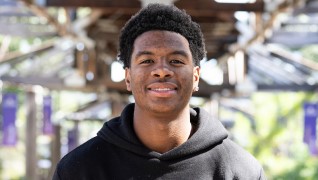
About the Author
Darone Leakes is a kinesiology major and student-athlete at Concordia University Texas. As a Digital Content Specialist with the Ultraviolet Student Agency, he captures the energy and faith-driven spirit of Concordia Texas athletics. Inspired by Coach Stan Bonewitz, he continues to grow as a leader both on and off the court while pursuing his goal of becoming a physical therapist.