


The Concordia Common Experience Curriculum
Your college education should help you answer meaningful questions: What am I good at? How do I want to contribute? What will I bring to my future career? At Concordia University Texas, a Christian university in Austin, Texas, the Common Experience curriculum gives you space to consider those questions as you work toward your bachelor’s degree.
This shared general education curriculum brings together faith, leadership, liberal arts and applied learning. Alongside your major, it helps you build a foundation for the work you want to do and the person you want to become.
Apply Today Request Information

What Is the Concordia Common Experience Curriculum?
The Concordia Common Experience is the general education core for undergraduate bachelor’s degrees at Concordia University Texas. It complements your major with learning across disciplines and opportunities to connect your education with your values, calling and future work.
Your major develops knowledge in your field. General education gives you a wider lens for using that knowledge: considering another perspective, asking a better question or explaining an idea to someone outside your area of expertise.
Career Preparation Built In to Your Education
Career Preparation Built In is Concordia Texas’s approach to connecting your education with your future. The Common Experience supports that approach by giving you opportunities to practice skills you can carry across careers: communicating clearly, evaluating information, working through problems and considering how your decisions affect others.
Think about the work behind a professional role. Presenting a recommendation requires clear communication. Choosing a course of action requires sound reasoning. Leading a team requires an understanding of people. Your general education courses help you build the habits behind those responsibilities while your major deepens your preparation in a specific field.
Learn More About Career Preparation Built In
Concordia Distinctive: Faith, Leadership and Calling
Leadership and religion courses invite you to consider who you are, what you believe and how you serve. The leadership series connects self-leadership, leadership theory and meaningful work, while religion coursework builds a foundation in Christian faith and Scripture.
Together, these courses help you consider how your strengths can meet needs in your workplace and community. You’ll reflect on responsible leadership and vocation: your calling to contribute through your work, relationships and service.
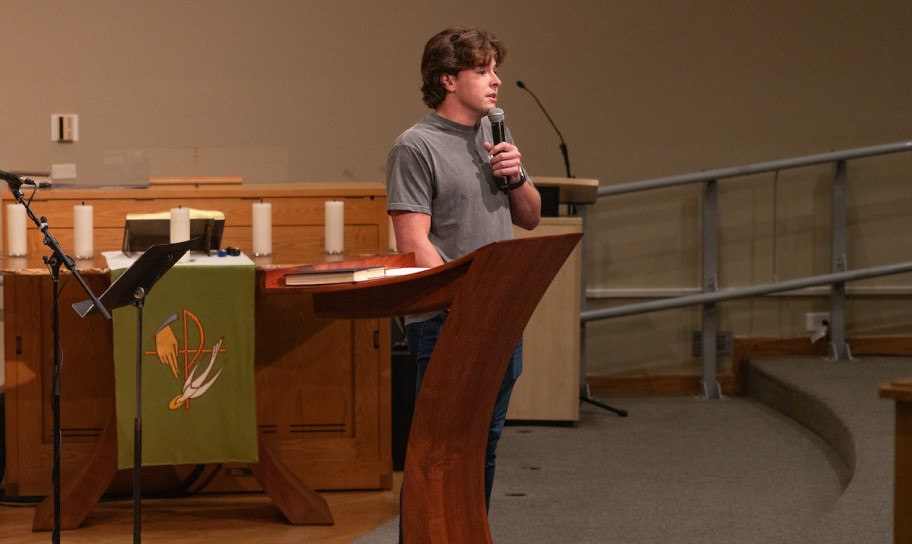
Foundational Competencies: Skills You Can Use Across Careers
Courses in written and verbal communication, quantitative reasoning, wellness, and nature and environment help you develop skills for college, work and daily life. You’ll practice expressing ideas clearly, interpreting information and considering how your choices affect yourself and others.
Together, these courses help you approach decisions with greater understanding. From presenting a recommendation to evaluating numbers or caring for your well-being, you’ll build skills and perspectives you can continue developing throughout your career and life.
Liberal Arts: A Broader Perspective on Your World
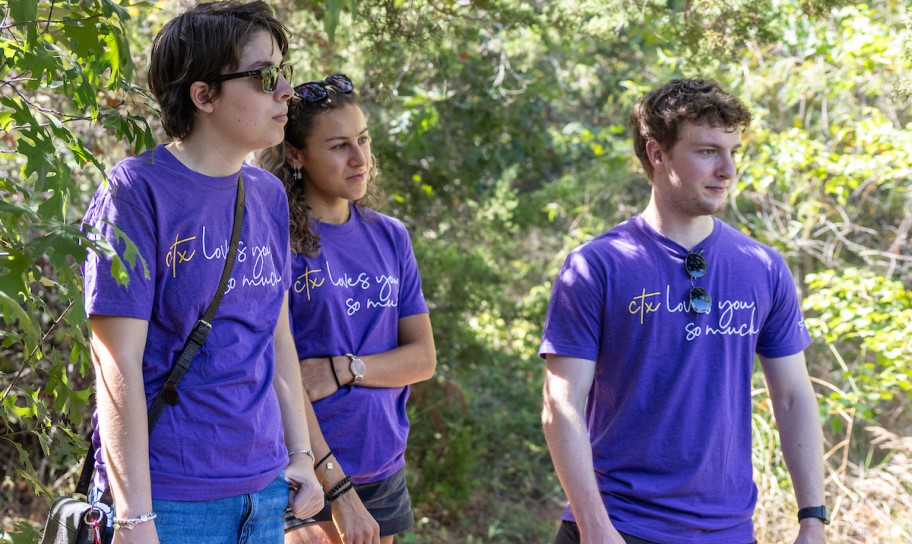
Courses in behavioral sciences, political science, literature, fine arts, history and natural science with a lab broaden your undergraduate education. You’ll encounter different ways of understanding people, examining evidence and expressing ideas while building connections across fields of study.
A scientist might approach a question through observation, while a historian examines the past or an artist offers a new perspective. Learning across disciplines helps you approach unfamiliar situations with curiosity, consider different viewpoints and make thoughtful decisions throughout your life.

Experiential Learning: Put Your Education into Practice
Experiential learning connects academic study with application through approved internships, practicums, travel courses, study abroad, experience-based courses and service-learning. Options depend on your program and approval for academic credit, giving you different ways to put your knowledge into practice.
Applying what you learn gives you concrete experiences to reflect on: a challenge you worked through, an idea you tested or a contribution you made. These experiences help you recognize your interests, describe your skills and prepare for your next step.
Picture Your Education at Concordia Texas
You do not need to have every part of your future figured out before you begin. Tell us what interests you and what questions you have. Our admissions team can help you learn about undergraduate programs and the next steps to apply.
General Education Requirements and Transfer Credit
Your course selections and remaining requirements depend on your degree plan, applicable catalog and any accepted transfer credit. Use the academic catalog for detailed requirements and work with your academic advisor to understand how the Common Experience fits your bachelor’s degree.
If you have attended another college, ask about a transcript evaluation. Accepted coursework may satisfy some general education requirements; Concordia-specific requirements also apply.
Credit for Prior Learning
Your learning from work and life experience may count toward your degree. Enrolled, degree-seeking undergraduate students can petition for Prior Learning Assessment (PLA) credit through a faculty-reviewed portfolio or qualifying credentials, such as an EMT certification or a realtor license.
You may earn up to 18 credit hours for specific courses in an approved major. PLA credit cannot satisfy Concordia Texas Distinctive Courses or graduation residency requirements. Ask your academic advisor about eligibility, portfolio requirements, deadlines and fees, and consult the current Academic Catalog.
Frequently Asked Questions About Concordia Texas’s Curriculum
-
Is the Common Experience part of my major?
The Common Experience is the general education portion of your undergraduate degree at Concordia University Texas. Your major focuses on your chosen field. Together, they make up important parts of your degree plan.
-
How does general education support career preparation?
General education gives you opportunities to practice skills you can use in different roles, including explaining ideas, considering evidence and approaching problems from more than one perspective. The Common Experience supports Career Preparation Built In by connecting broad learning with leadership, calling and application.
-
Do online undergraduate students complete the Common Experience?
Yes. The Common Experience applies to Concordia University Texas bachelor’s degrees across traditional, hybrid and online delivery formats. Consult your degree plan for the courses and approved experiences that apply to your program.
-
Can transfer credits count toward general education at Concordia Texas?
Some accepted transfer courses may satisfy general education requirements after evaluation. Leadership courses and at least six credit hours of religion coursework must be completed through Concordia Texas. Ask how your prior coursework applies to your degree plan
-
Does every Concordia Texas student have to complete an internship?
An internship is one option for satisfying experiential learning. Other approved options may include practicums, travel courses, study abroad and service-learning. Your major may have its own internship or practicum requirements.
-
How many general education credit hours will I need?
Review the requirements in your applicable academic catalog and degree plan. An academic advisor can help you identify the courses you need and how any accepted transfer credit applies.
-
How does Christian faith shape the Common Experience?
Religion coursework and leadership learning give you opportunities to consider Christian faith, service and vocation as part of your education. These questions can inform how you think about your responsibilities to others and the contribution you want to make through your work.
Build a Foundation for Your Future
Bring your interests, your questions and your goals to Concordia University Texas. Build knowledge in your major and a broader foundation through the Common Experience. Take your next step toward an education that connects learning with purpose.